

From Seawind 1170 to Seawind 1370: An Owner’s Journey Built on Confidence
Discover our product
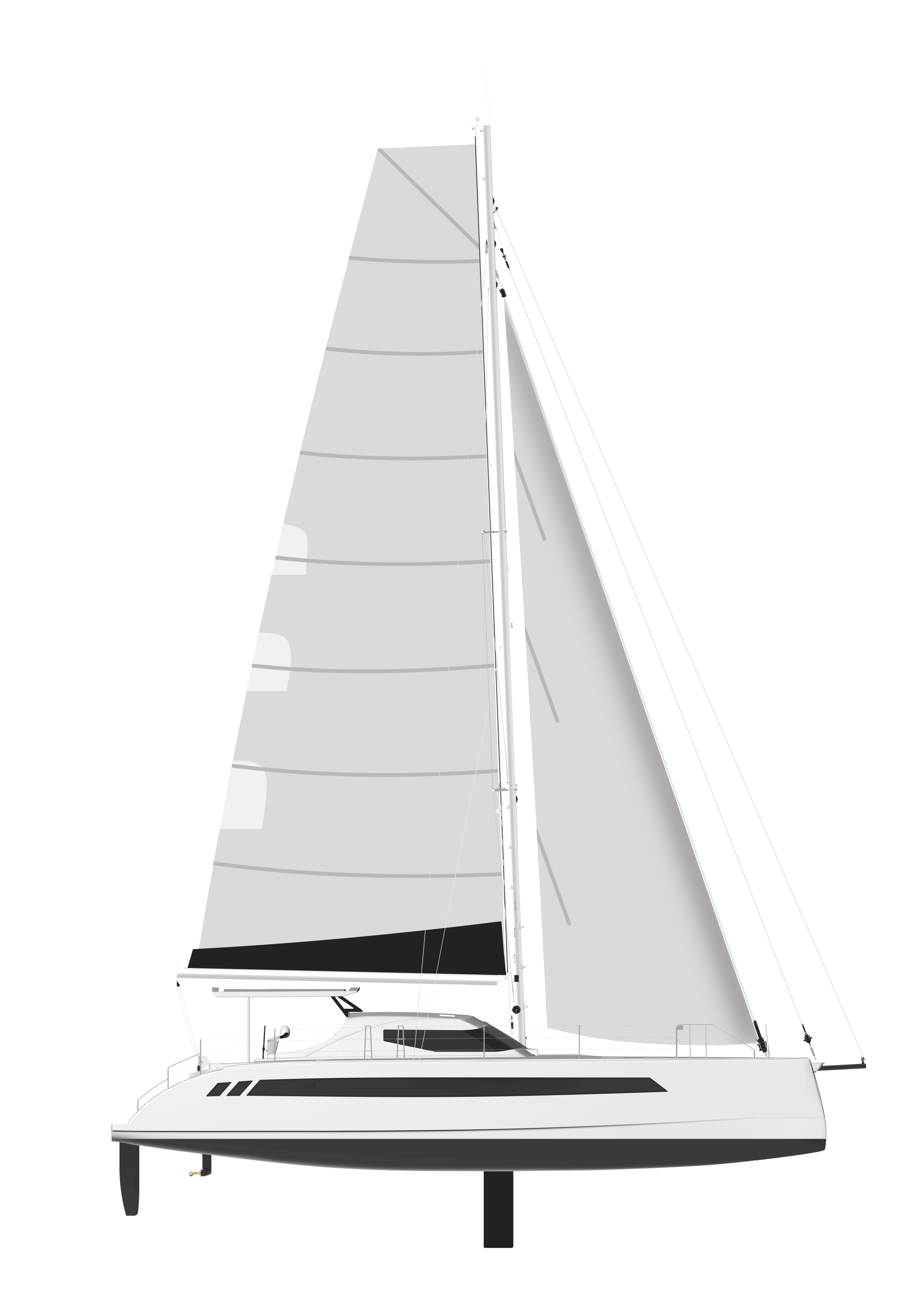
Sail Area
144.5 sqm
Overall Length
52' 8" / 16.1 m
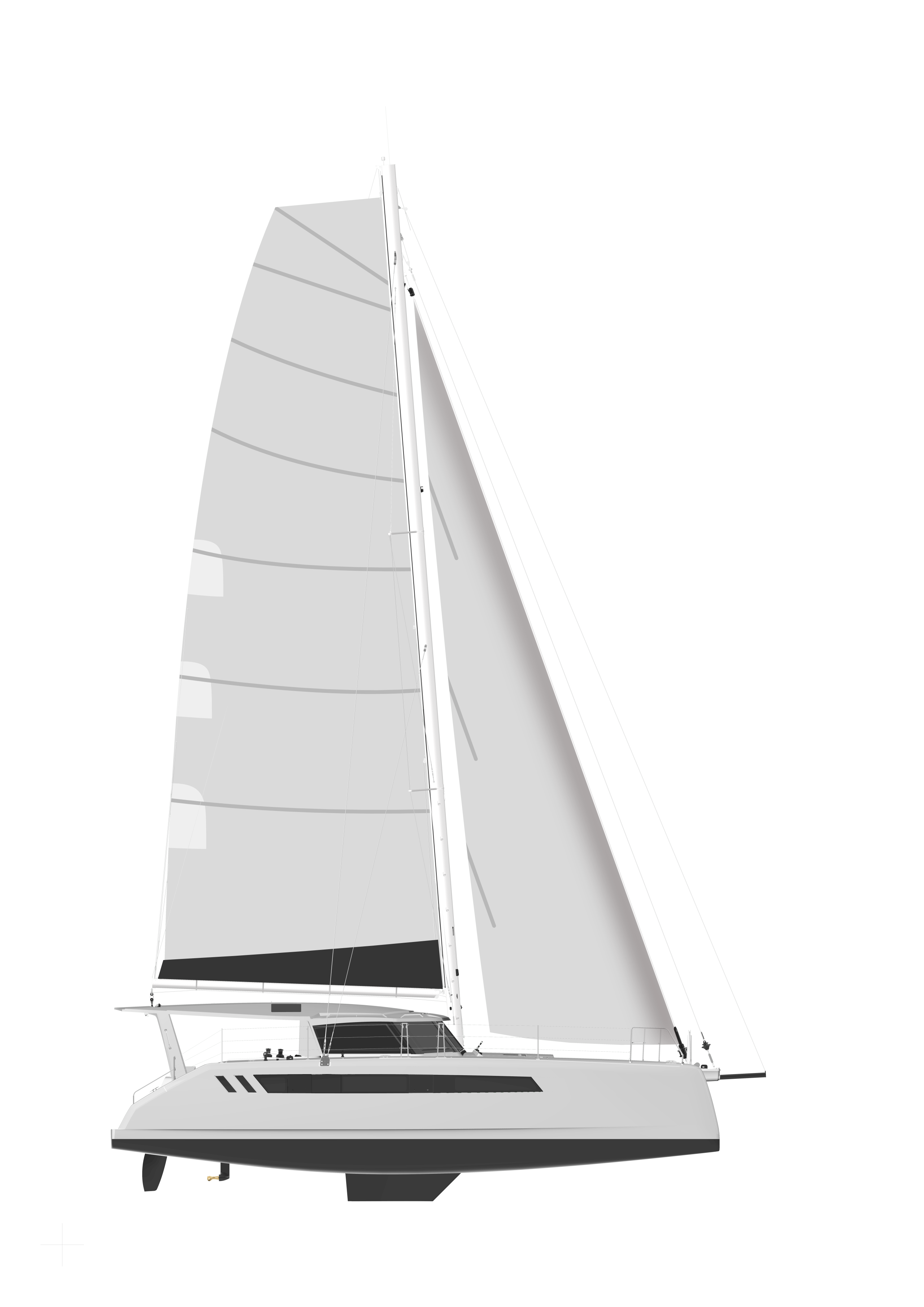
Sail Area
116 sqm
Overall Length
45' / 13.7 m
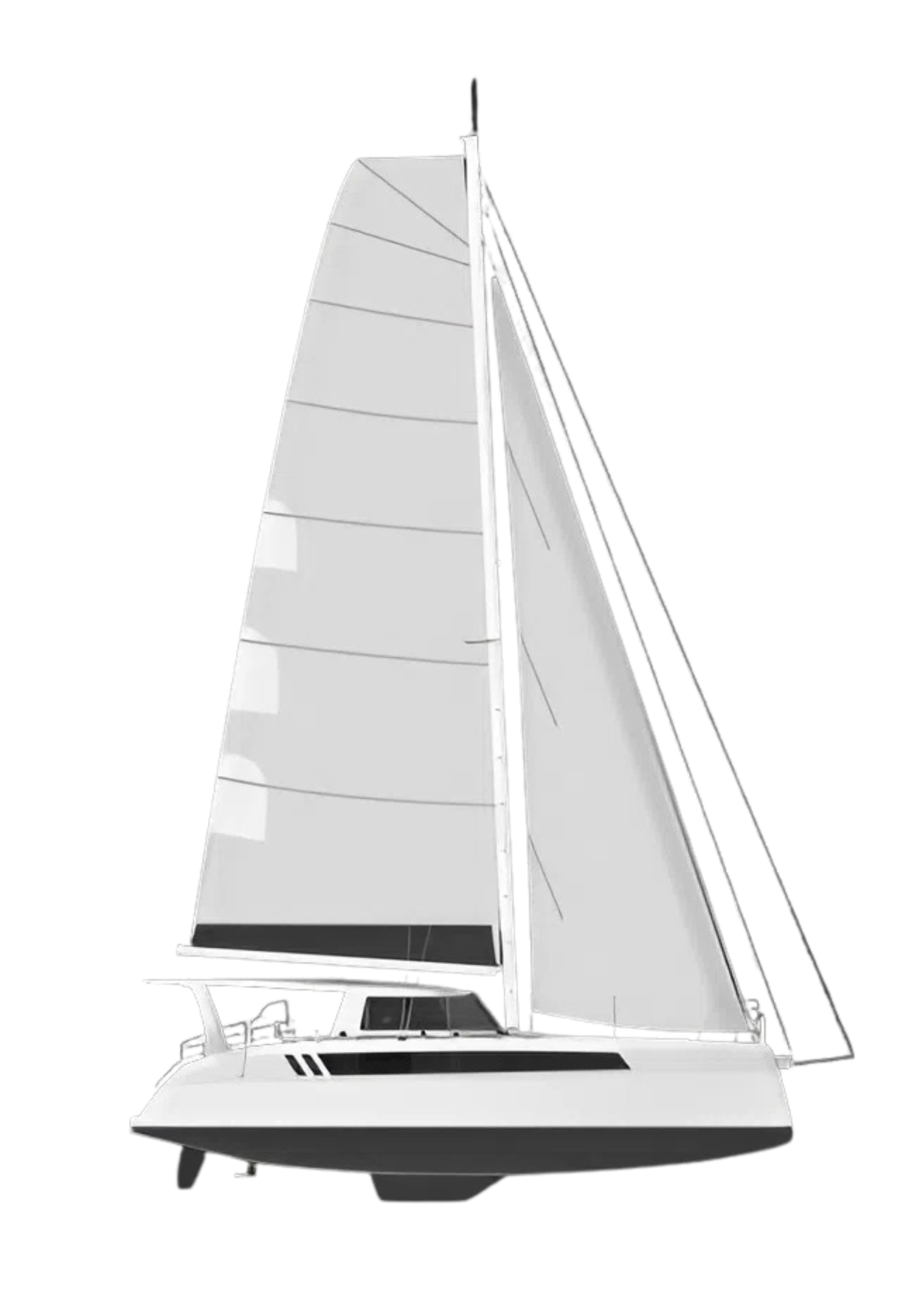 NEW CATAMARAN
Sail Area
103.8 sqm
Overall Length
42' / 12.83 m
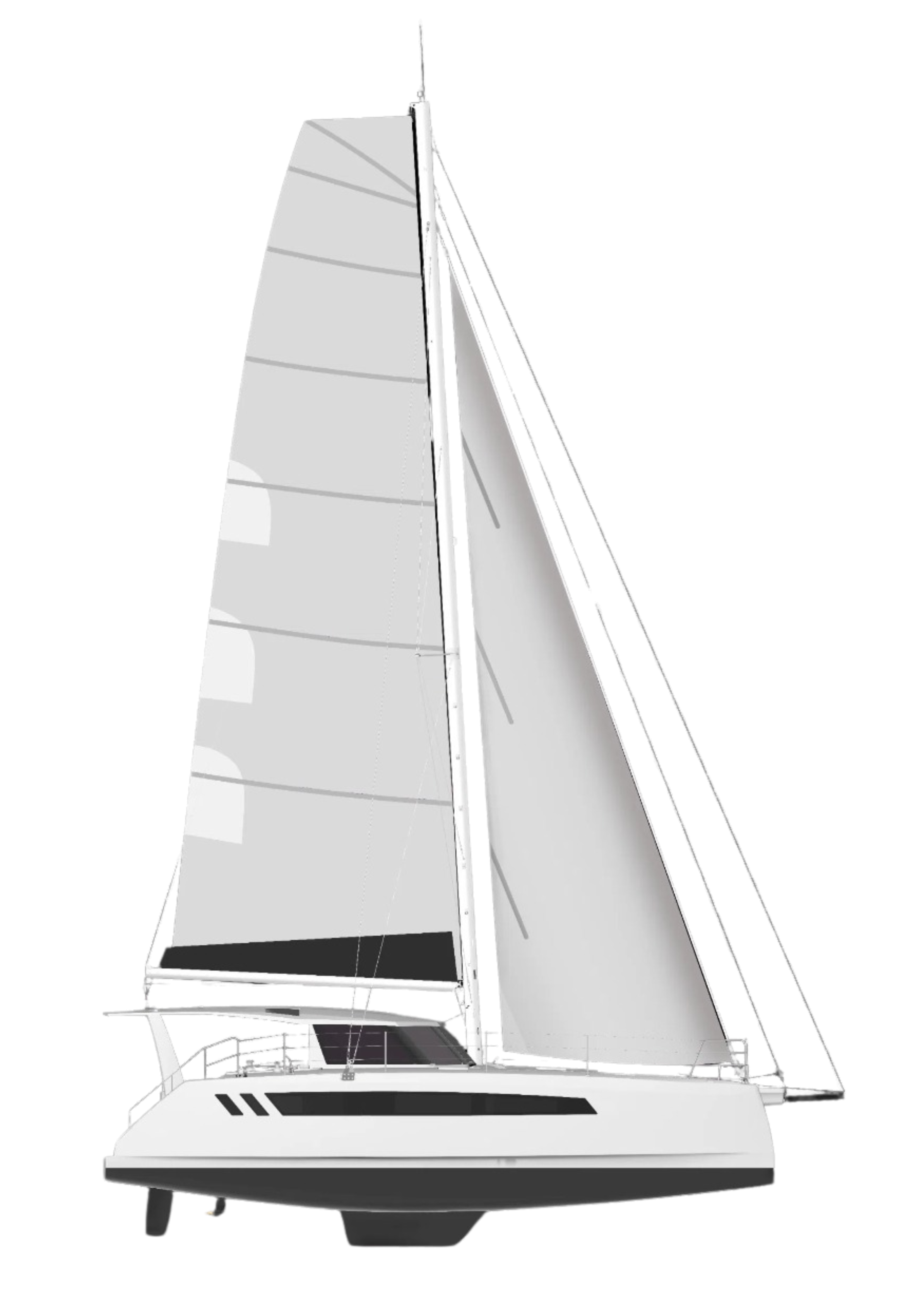
Sail Area
89.4 sqm
Overall Length
39' 3" / 11.9 m
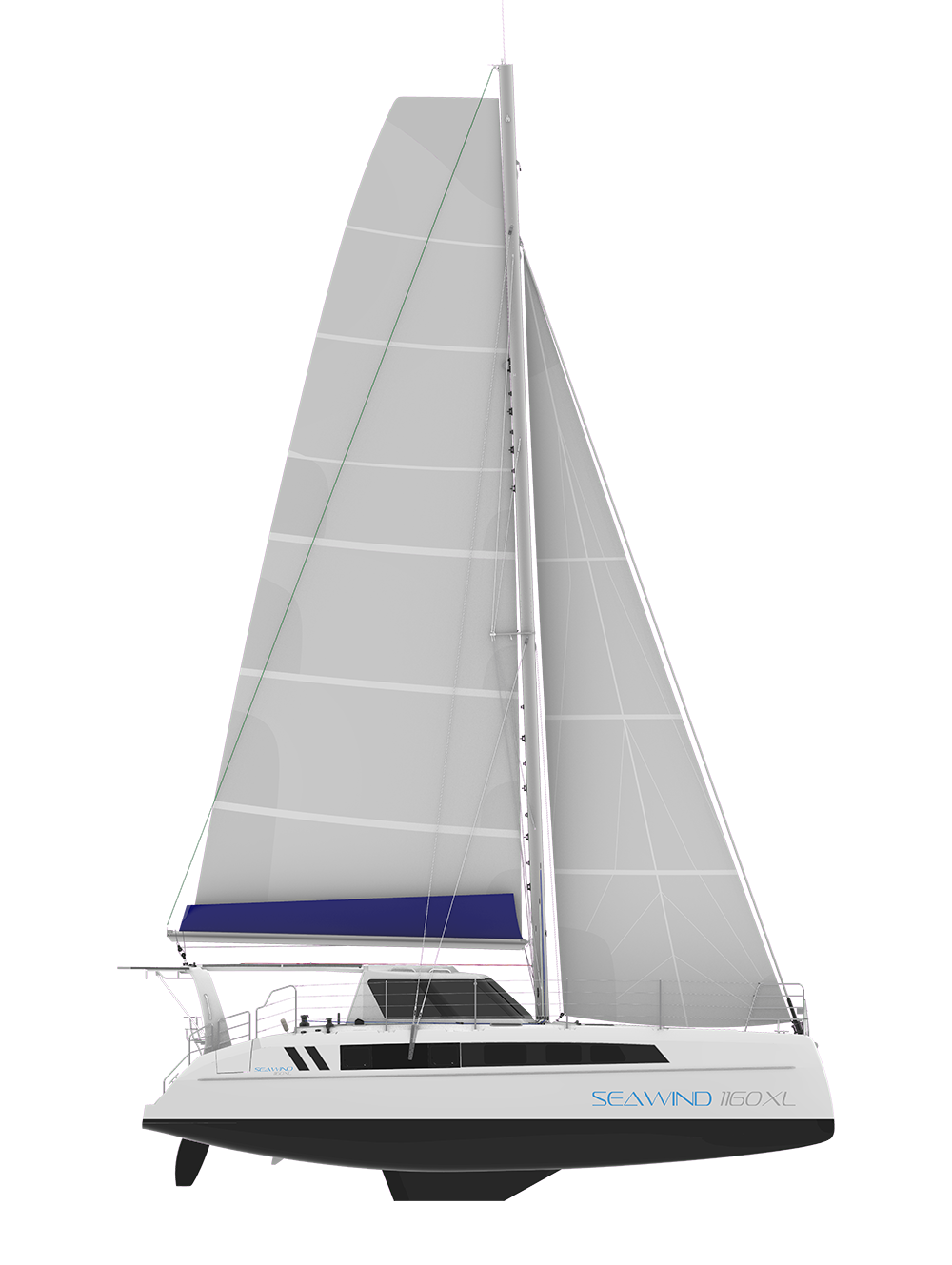 NEW CATAMARAN
Sail Area
87 sqm
Overall Length
38' 10" / 11.83 m
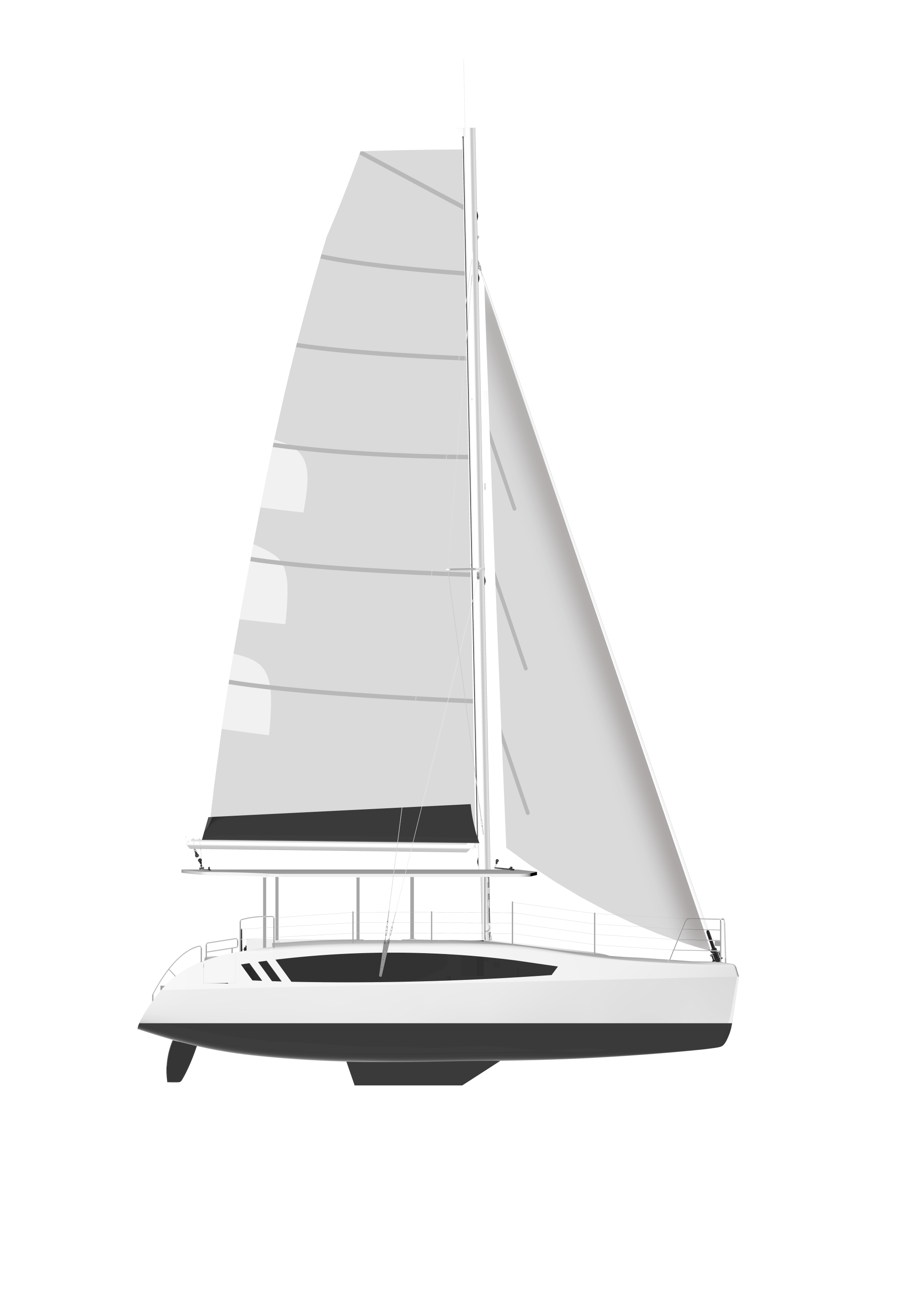
Sail Area
69.3 sqm
Overall Length
38' / 11.6 m
Come aboard our incredible trimaran and set sail for thrilling sea adventures that will create unforgettable memories
Explore our Trimarans

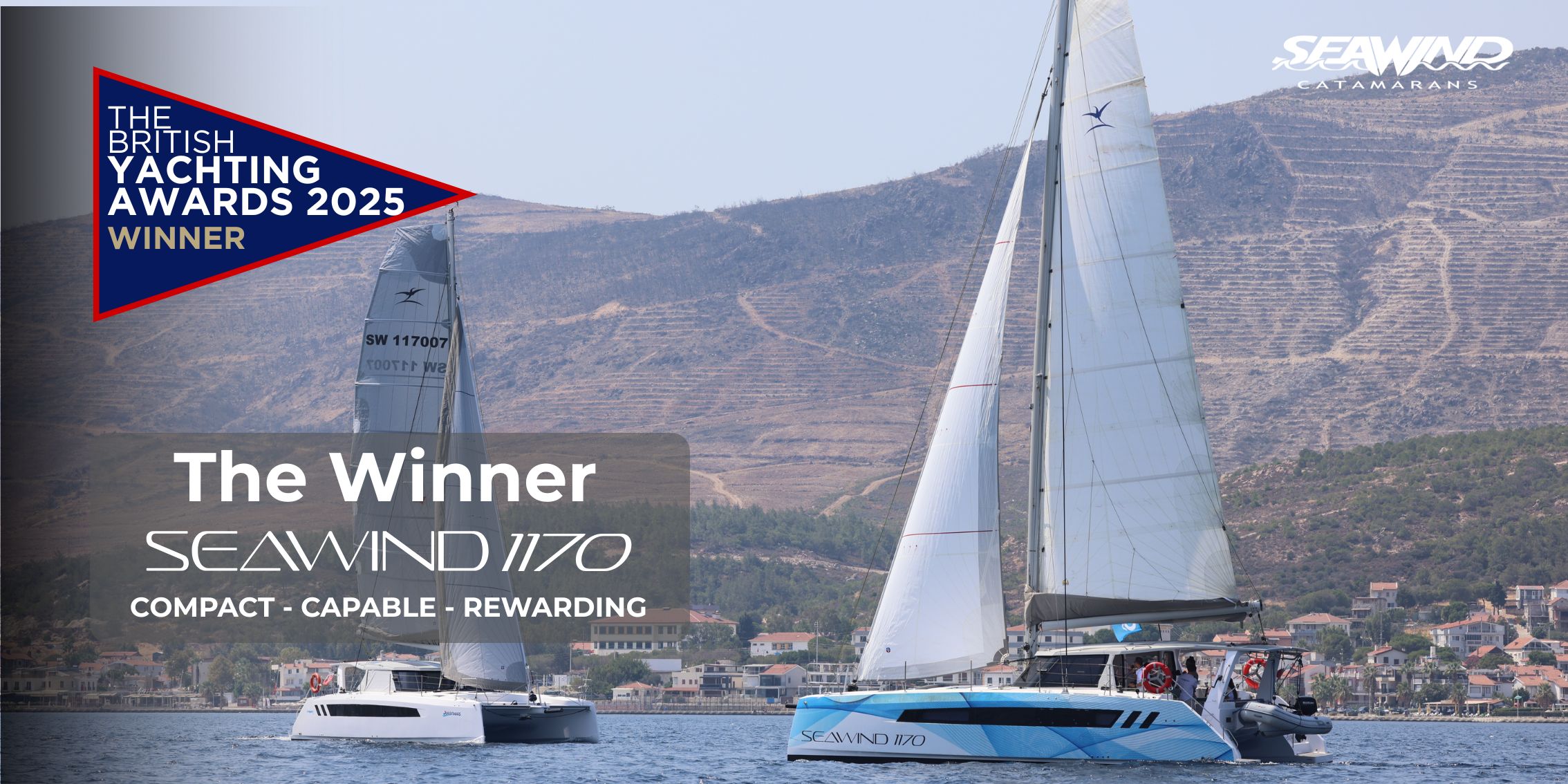
Seawind 1170 Review with Sam Jefferson: Why It Was Voted Multihull of the Year
We were pleased to welcome Sam Jefferson, editor of Sailing Today with Yachts & Yachting Magazine, on board of the Seawind 1170 at the International Multihulls Show 2026 at La Grande Motte. During the onboard conversation, Sam spoke with Mike Rees, Seawind Catamarans Global Sales Director, about the thinking behind the 1170’s design, its Australian sailing DNA and why this model continues to stand out among sailors who want a catamaran that can truly sail.

A Catamaran Built to Sail
At the heart of the Seawind 1170 is a simple but important idea: a cruising catamaran should still deliver a rewarding sailing experience.
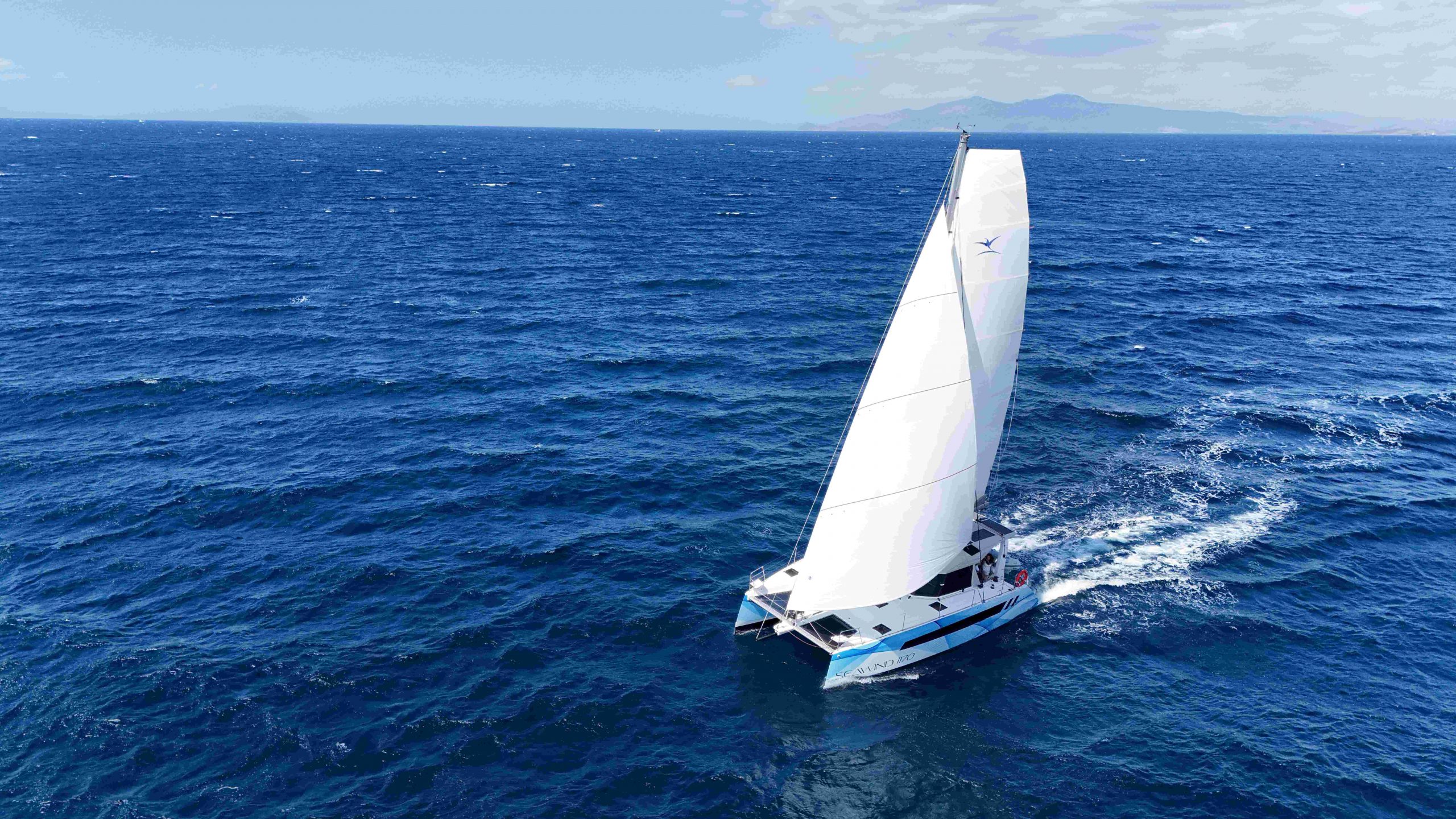
During the test sail, the conditions offered a useful demonstration of the boat’s performance across different wind ranges. In lighter conditions of around 5.5 knots of wind, the 1170 was sailing at approximately 2.5 to 3 knots. Later in the day, with 10 to 11 knots of wind and the screecher deployed, the boat was reaching speeds of 6, 7 and even 8 knots.
For sailors who care about performance, these details matter. They show a boat that is not simply designed for comfort at anchor or marina living, but one that responds well under sail and remains engaging to handle.
As Mike Rees explained, this is central to Seawind’s philosophy: Cruising Catamarans for Real Sailors. Our vessels focus on delivering a real sailing performance experience – we want sailors to enjoy sailing on all journeys, not just reach the destination.
Designed from Australian Sailing DNA

One of the key features highlighted during the onboard conversation was the Seawind 1170’s helm position. The twin helms sit in the same level with the saloon, connected by trifold doors – another signature feature on most Seawind models.
Seawind’s design approach is deeply influenced by its Australian background, where sailors often face strong sun, changing wind conditions, rain and demanding coastal environments. This has shaped the way Seawind thinks about protection, visibility, safety and connection on board.
Rather than placing the helm far away from the social areas, the Seawind 1170 keeps the helm positions practical, protected and connected to the rest of the boat. From the helm, sailors can manage controls comfortably while still remaining close to guests and crew.

This is a noticeable difference from some flybridge catamarans, where the helm can feel separated from the main living and social areas. On the Seawind 1170, the person sailing the boat remains part of the experience on board.
That connection becomes especially important in real cruising conditions. When the weather changes, when rain comes through, or when the skipper needs to take control from autopilot, the helm position allows the boat to be managed from a protected and central location. It is a practical design decision that reflects how sailors actually use their boats.
Built for Owners with Real Cruising Plans
Many Seawind owners are people who have a clear sailing agenda. Some may be planning extended coastal cruising over several months. Others may be preparing for longer passages and more ambitious cruising plans.
For them, a capable and robust boat always matters. Comfort is important, but so are handling, safety, protection, visibility, ease of movement and confidence under sail. The 1170 brings these elements together in a way that supports real-world cruising.
This is where the Seawind 1170 feels particularly aligned with the needs of experienced sailors or new serious cruising couples. It’s compact enough to be manageable, and capable enough to support meaningful time at sea.
Practical Comfort for Life on Board
While the Seawind 1170 is strongly focused on sailing performance, it also delivers the comfort and practicality required for cruising life.
The layout includes an owner’s side, a forward ensuite cabin, a double cabin aft and a drop-down saloon table for occasional additional sleeping space. In total, the boat can accommodate up to eight people for occasional use, although in real cruising life it is more likely to be used by a couple with guests joining along the way.
This reflects the practical nature of the boat. It is not about excessive luxury or unnecessary complexity. The 1170 offers, instead, a thoughtful balance of comfort, safety, usability and sailing capability.
For owners planning longer trips, that balance is essential. A cruising catamaran needs to feel comfortable at anchor, practical underway, manageable in changing conditions, and safe in the open ocean. The 1170 is designed with that full experience in mind.
A Different Approach to Cruising Catamaran Design
During the conversation, Sam Jefferson noted that part of the 1170’s appeal may come from the fact that Seawind approaches catamaran design from a slightly different angle.
The multihull market offers a wide range of choices, and different brands suit different types of owners. But Seawind’s identity has always been clear: practical cruising catamarans with real sailing ability.
It does not try to be everything to everyone. Instead, it speaks directly to sailors who value performance, safety, protection and thoughtful design over excess. For Seawind, the growing recognition of the 1170 is a sign that more sailors are connecting with that philosophy.

Recognition from the Sailing Public
Winning the British Yachting Awards was especially meaningful because the award was voted for by the yachting public. It was not simply an internal industry decision or a brand-led claim. It reflected the opinions of sailors and boating enthusiasts who genuinely recognised what the Seawind 1170 offers.
For a boat shaped by real sailing conditions and designed for owners with genuine cruising plans, that type of recognition carries weight.
As Mike Rees shared, there are strong connections between sailing in the UK and sailing in Australia. Both environments can involve challenging conditions, and both reward boats that are capable, suitable and thoughtfully built. The response from the UK sailing public suggests that the Seawind 1170’s design values are being recognised well beyond its Australian roots.